Photography by Tafari is a Detroit, MI based professional photographer brand offering a range of portrait, event, lifestyle, drone, and wedding photography services.

Specializing in highlighting African American / Black Life.

www.photographybytafari.com 

Tafari, is a Detroit African American photographer / Black photographer with over 15 years of professional photography experience.

Through my lens, I seek to honor the people, places, cultures, and everyday moments that make a place unforgettable. Whether documenting the spirit of a destination or capturing the individuality of a person, I approach each image as an opportunity to create something meaningful, honest, and lasting.

SALVADOR, BAHIA

A Journey of Discovery, Connection, and Becoming | Reflections by Tafari Stevenson-Howard

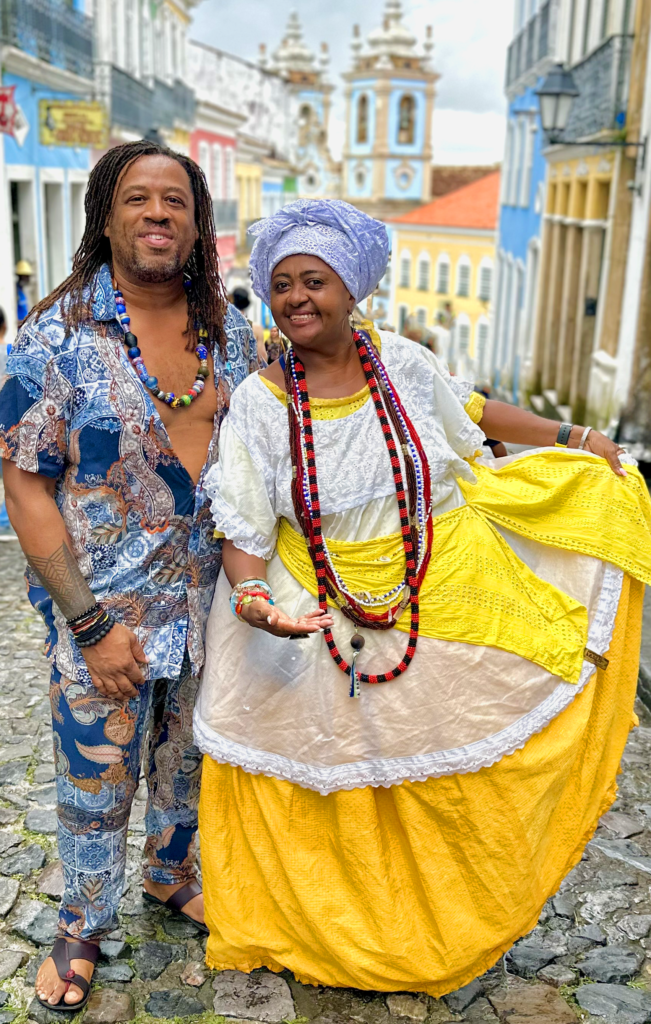
Tafari Stevenson-Howard | Festa de Iemanja | Salvador, Baha, Brazil

My first trip to Brazil came at a pivotal time in my life. Facing burnout from a full-time job at a major university in Michigan, I found myself navigating the depression that followed. It ultimately led me to a life-changing moment. A scary one, in fact. I decided to leave my job of many years and fully embrace my artistry as a visual creator.

Once I made that decision, I took action to sever ties with my old life and begin a new one, centered on creating my own possibilities. I wanted to create my own work, connect with others, and continue pushing myself toward greater independence as an artist.

Now working fully on my own as an artist, I also made time to focus on my mental, emotional, and physical well-being. Part of that journey began when I joined a wellness retreat in Salvador, Bahia, a place I had longed to visit for years.

Bahia was one of those places I had heard about that sounded simply idealistic, soul-soothing, and BLACK!

Without hesitation, I booked my airfare and secured my spot in the retreat, which was just weeks away. Time seemed to fly, and before I knew it, I found myself in Salvador, Bahia. I had made it.

My first journey opened my eyes to so many things. Things about myself. Things about the world. Things about the African diaspora. And so much more.

This initial experience was the jolt I needed. It was the peace I needed. It was the reset I never knew would come. I left feeling changed. So changed. So different.

I left Brazil with my soul set on fire through encounters with Indigenous shamans and spiritual traditions that revealed to me another side of the veil of life. I discovered my life’s purpose in a way that even I could hardly believe. I found safety. I found a new community. Most importantly, I found a new home.

Since that initial experience, I have continued to return to Brazil. Each trip brings something different. Something new. Something exciting. Each visit offers another opportunity to continue the work of rebuilding myself.

From creative projects and co-facilitating retreats to organizing medicine ceremonies and immersing myself in local life, I have sought to better understand how my brothers and sisters in Brazil thrive, survive, create, and grow.

In a sense, Brazil became a living school for me. 

A school of social studies, archaeology, natural and political sciences, history, and deep ancestral knowledge. Every visit became an opportunity to learn, observe, connect, and grow.

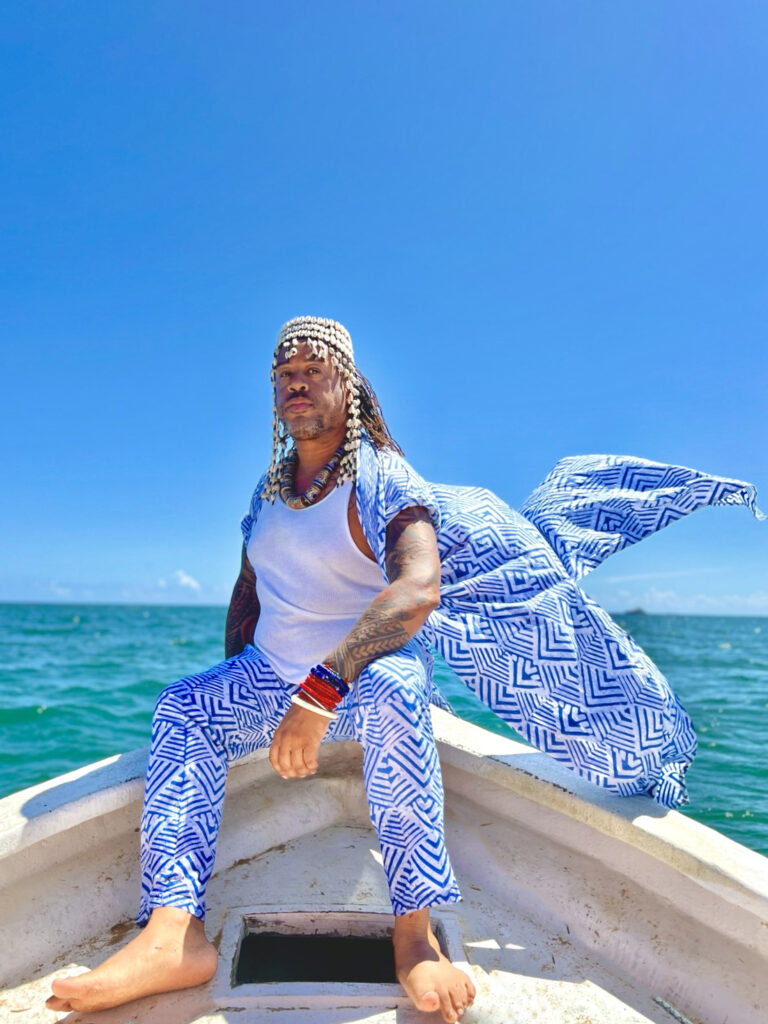
This collection captures the vibrant colors, rich textures, and rhythms of life inSalvador—from Cravinho in Pelourinho and Candomblé rituals to acarajé in Itapuã,Carnival,Indigenous medicine ceremonies, and the moments in between. Throughtheseimages, I share the people, places, and experiences that have shaped myjourneyand deepened my connection to a city that continues to teach me, inspireme,and remind me of the beauty of becoming.


MOTION | COLOR | TEXTURE

Video Gallery

AFRICA LIVES IN THE AMERICAS

Across the Atlantic, thousands of miles from the shores of West and Central Africa, lies Salvador, Bahia, Brazil—a city where the heartbeat of the African diaspora echoes through its streets, music, spirituality, cuisine, and everyday life. Often called the Black Rome of Brazil, Salvador is home to one of the largest Afro-descendant populations in the Americas, with more than 80% of its residents identifying as Black or mixed-race. Here, African heritage is far more than a chapter in history; it is a living, breathing expression of identity, resilience, and cultural preservation. From the colorful colonial streets of Pelourinho to the powerful rhythms of samba-reggae, the sacred ceremonies of Candomblé, and the unmistakable aroma of acarajé prepared by the Baianas, Salvador tells the extraordinary story of African people who, despite the brutality of enslavement and the transatlantic slave trade, preserved, adapted, and transformed their ancestral traditions into a vibrant cultural legacy that continues to flourish centuries later.

To experience Salvador is to encounter Africa in the Americas in ways that awaken the senses and stir the soul. The cultural and spiritual influences of Yoruba, Fon, and Bantu-speaking peoples remain deeply woven into the fabric of Bahian society. In sacred Candomblé terreiros, the orixás and other ancestral spiritual traditions are honored through ceremony, song, dance, and the powerful rhythms of the atabaque drums. Throughout the city, Afro-Brazilian cultural movements such as Ilê Aiyê, Olodum, and the Filhos de Gandhy have transformed music, performance, and public celebration into expressions of Black pride, cultural resistance, and collective identity. The legacy of Africa is equally present in Salvador’s kitchens, marketplaces, religious festivals, and everyday encounters. It lives in the preparation of traditional foods, the artistry of intricate braids and African-inspired clothing, the movements of capoeira, and the powerful connection between spirituality and community. Salvador is a place where ancestral memory is not confined to museums or history books but continues to shape the rhythm of daily life.

For those of us across the African diaspora seeking a deeper understanding of our origins, identity, and shared history, Salvador offers something profoundly meaningful: an opportunity to witness the enduring spirit of Africa beyond the continent itself. Its beauty cannot be separated from its complicated history of colonization, enslavement, resistance, and liberation. Yet, through generations of struggle and determination, Afro-Brazilians have created a cultural landscape that stands among the most extraordinary expressions of African survival and creativity in the world. Through this photography collection, I invite you to journey beyond the familiar postcard images of Brazil and discover the people, traditions, sacred spaces, and everyday moments that make Salvador so remarkable. These images are more than photographs of a destination; they are visual reflections of a living African legacy, a celebration of Black identity, and an invitation to explore the connections that unite Africa and its descendants across oceans, borders, and generations. In Salvador, Africa is not simply remembered. It is lived, celebrated, protected, and passed forward.

0
%
Afro Brazilian Population

A City Defined by African Ancestry

According to Brazil’s 2022 census, approximately 83.2% of Salvador’s 2.4 million residents identify as Black (preto) or mixed-race (pardo). That’s more than 2 million people, making Salvador one of the most important centers of Afro-descendant identity in the Americas.

0
Years
Brazil's First Capital

1549 – 1763 The Foundation of Brazil

Salvador served as colonial Brazil’s first capital for 214 years. During this period, the city became a major center of the transatlantic slave trade, beginning its documented role as a slave market in 1558. Despite centuries of enslavement and oppression, African descendants preserved cultural traditions that continue to define Salvador’s identity.

0
+
Legacy of Candomblé

The Living Legacy of Candomblé

Salvador’s official tourism website reports more than 2,000 terreiros, sacred spaces associated predominantly with Candomblé and other African-rooted religious traditions. These houses preserve ancestral knowledge, rituals, drumming, sacred languages, and spiritual practices carried across the Atlantic by enslaved Africans.

0
UNESCO Recognized

Capoeira Culture and Resistance

In 2014, UNESCO recognized the Capoeira Circle as Intangible Cultural Heritage of Humanity. Deeply connected to Bahia’s Afro-Brazilian communities, capoeira combines martial arts, music, movement, and ancestral resistance. Its rhythms and rituals continue to transmit African-descended knowledge from one generation to the next.

COLLECTION OF MEMORY

Photo Gallery

culture
/
city life
/
portraits
/
celebration
/
beach
/
all

OF EARTH, SEA, SKY & SKIN

Photo Gallery